
Queens Uber & Lyft Accident Lawyer
Queens rideshare claims: airport trips and neighborhood pickups need different evidence
A Queens Uber & Lyft accident lawyer may investigate a passenger injury on an airport route, a collision near a neighborhood pickup, or a pedestrian struck by an app-based vehicle. The first task is to identify the specific vehicle, trip, and movement. Airport branding, a rideshare decal, or a passenger's receipt can be useful, but none alone answers every coverage and liability question.

Official Queens trip activity
TLC reported 4,260,487 Queens high-volume for-hire trips in January 2025, 5.4% above January 2024. TLC license review.
The count describes reported trip activity, not a crash total or a measure of driver fault. It gives context for the importance of identifying the exact ride and vehicle. A Queens claim should rely on the actual collision evidence rather than treat a large number of trips as proof that a particular airport or commercial street is dangerous.
JFK pickups: preserve the terminal and the actual boarding sequence
A JFK passenger may request a ride while still inside a terminal, walk to a designated area, contact the driver, and board at a location different from the first app pin. Preserve the terminal, level, pickup instructions, messages, vehicle plate, and actual boarding point. An airport name alone is too broad for a useful records request.
If luggage handling or a moving vehicle caused the injury, describe that mechanism separately from the later trip. A passenger may be injured before the app shows the ride as started. The timing and physical activity should be recorded accurately rather than adjusted to fit an assumed insurance category.
An airport receipt, flight information, or message to a traveling companion may help establish the time, but it should not replace the trip record. Preserve original documents and explain differences between scheduled arrival, actual arrival, pickup request, and vehicle departure. Each timestamp describes a different event.
LaGuardia access roads and terminal-area collisions
Near LaGuardia, distinguish a terminal pickup area, garage, access road, and nearby public street. The exact location can affect who holds video and who controls the property. A statement that the crash happened “at LGA” may not identify the relevant evidence custodian.
For a collision during a lane change or merge, preserve the route and vehicle movement rather than only the destination. A passenger may not see the initial conflict; record the seat occupied and observations without guessing. Nearby drivers, vehicle cameras, and airport or business recordings may help clarify the sequence.
The fact that a trip serves an airport does not automatically make every involved vehicle subject to the same insurance system. A ride beginning outside the city, a TLC vehicle, and another commercial service may present different questions. Verify the operation and policies instead of assuming a standard app-based coverage chart applies.
Jamaica, Flushing, and busy pickup streets
At pickup locations near Jamaica transit connections or Flushing's commercial streets, the passenger and driver may coordinate through calls or messages while searching for each other. Keep the communications and actual curb location. A change from one side of the street to another can matter if a pedestrian crossing or vehicle turn becomes part of the event.
If a passenger was approaching the vehicle when struck, identify the vehicle that made contact and the movement of each person. Do not assume the booked driver caused the injury merely because the passenger was trying to reach that car. Another motorist, a road condition, or several acts may require examination.
For an injury involving a door, preserve who opened it, which side, whether the vehicle was stopped or moving, and the surrounding traffic. A door-related incident can affect passengers, cyclists, and pedestrians differently. Their interests should not be treated as identical simply because the event involved one booked ride.
Long Island City and the boundary between city and suburban trips
Long Island City is in Queens. It should not be confused with Nassau or Suffolk when analyzing licensing, trip origin, or local records. Preserve the pickup address rather than using “Long Island” as shorthand. That distinction can become particularly important when a trip crosses between the city and the surrounding counties.
A trip's destination does not alone establish which regulatory arrangement or policy applies. The vehicle's licensing, origin, actual operation, and insurance need review. Keep the complete receipt and any information identifying the base or service rather than relying only on the app's familiar brand.
If a claim involves several insurers, keep a separate list of each insurer, insured party, claim number, and stated role. This helps prevent a property-damage adjuster from being mistaken for the person handling medical benefits or a liability claim against another driver.
Shared rides, multiple passengers, and separate accounts
Passengers may have different trip segments, seats, injuries, and observations. Preserve each person's booking information when available. A passenger who joined later may not know how the driver behaved earlier, while someone who exited before the collision may still have relevant information about the vehicle or route.
Do not merge medical expenses or statements into one household account. Each injured person needs their own records and legal assessment. If an attorney or insurer is communicating with several people, ask clearly whom they represent and what claims they are handling.
A group message can help coordinate practical information, but it should not become a place to rehearse one version of events. Preserve original observations and uncertainty. Independent accounts are most useful when they reflect what each person actually saw.
Recovery and language access
A Queens claimant may need assistance understanding insurer correspondence or explaining a witness account in a preferred language. Preserve original documents and obtain reliable translation where appropriate. An informal summary can omit a deadline, coverage limitation, or qualification in a witness's statement.
Keep a practical record of treatment travel, work changes, and assistance at home. The Queens car accident page offers broader local context, while the rideshare investigation should retain its focus on the specific trip and coverage.
NYC licensing and insurance are distinct from the statewide TNC system
New York City for-hire service uses TLC licensing; statewide TNC authorization is different. TLC explanation.
For a city trip, verify the driver, vehicle, base, and actual policies. Do not automatically apply a statewide rideshare insurance summary to a TLC-regulated vehicle. A ride booked through a familiar app can still require a careful review of the particular service and vehicle involved.
TLC's March 2026 chart lists $100,000/$300,000 bodily-injury limits and $100,000 PIP for 1–7-passenger livery/black cars. TLC requirements.
Those are category-specific minimum requirements, not a statement that every available policy has only those limits or that a claimant will receive them. Obtain the applicable policy and coverage position. Vehicle type, trip circumstances, additional coverage, and the collision date can affect the analysis. Older online references to different required PIP amounts should not replace current documents.
Reconstruct the airport or neighborhood trip from original records
A Queens claim may contain several plausible times: a flight arrival, a ride request, a driver assignment, a terminal meeting, and the actual departure. Put each event on a timeline without forcing the clocks to agree. Keep the final driver name, plate, trip number, receipt, and pickup instructions. If an earlier assignment was cancelled, retain it as part of the sequence while clearly identifying the car involved in the collision.
For a neighborhood pickup, the requested address may be a shop or transit entrance while boarding occurred across the street. Preserve messages directing the passenger to move. Someone injured while walking toward the vehicle may have a claim involving another motorist, and the booking alone does not identify the person responsible. Record the physical movement and digital status as separate facts to be evaluated together.
When the passenger used a companion's account, preserve the complete booking record from that account with permission. A photograph of the receipt may be enough to begin identifying the trip but may omit messages or changes. Keep the actual occupants' names and seating positions separate from the person who paid. That avoids confusion when several travelers share one airport ride.
Match evidence requests to the exact Queens location
An airport request should identify the terminal, level, curb, access road, or garage as precisely as possible. A neighborhood request should identify the cross street and camera view. Do not assume every recording is held by the same operator merely because the locations are close together. Record each potential source, what it could show, and the time window needed.
Original footage and complete messages are preferable to edited excerpts. Keep the original and a backup before making annotated copies. If a witness provides a recording, note the witness's contact information, where they were, and whether the device clock is known to be accurate. A clip showing only the aftermath may still help identify vehicles, but it should not be described as showing the collision itself.
Language access also matters to an accurate file. Preserve insurer letters and witness accounts in their original language, then obtain reliable assistance understanding them. An informal translation that omits a qualification or deadline can create avoidable confusion. Record what the witness personally saw rather than asking them to agree with a summary prepared by someone else.
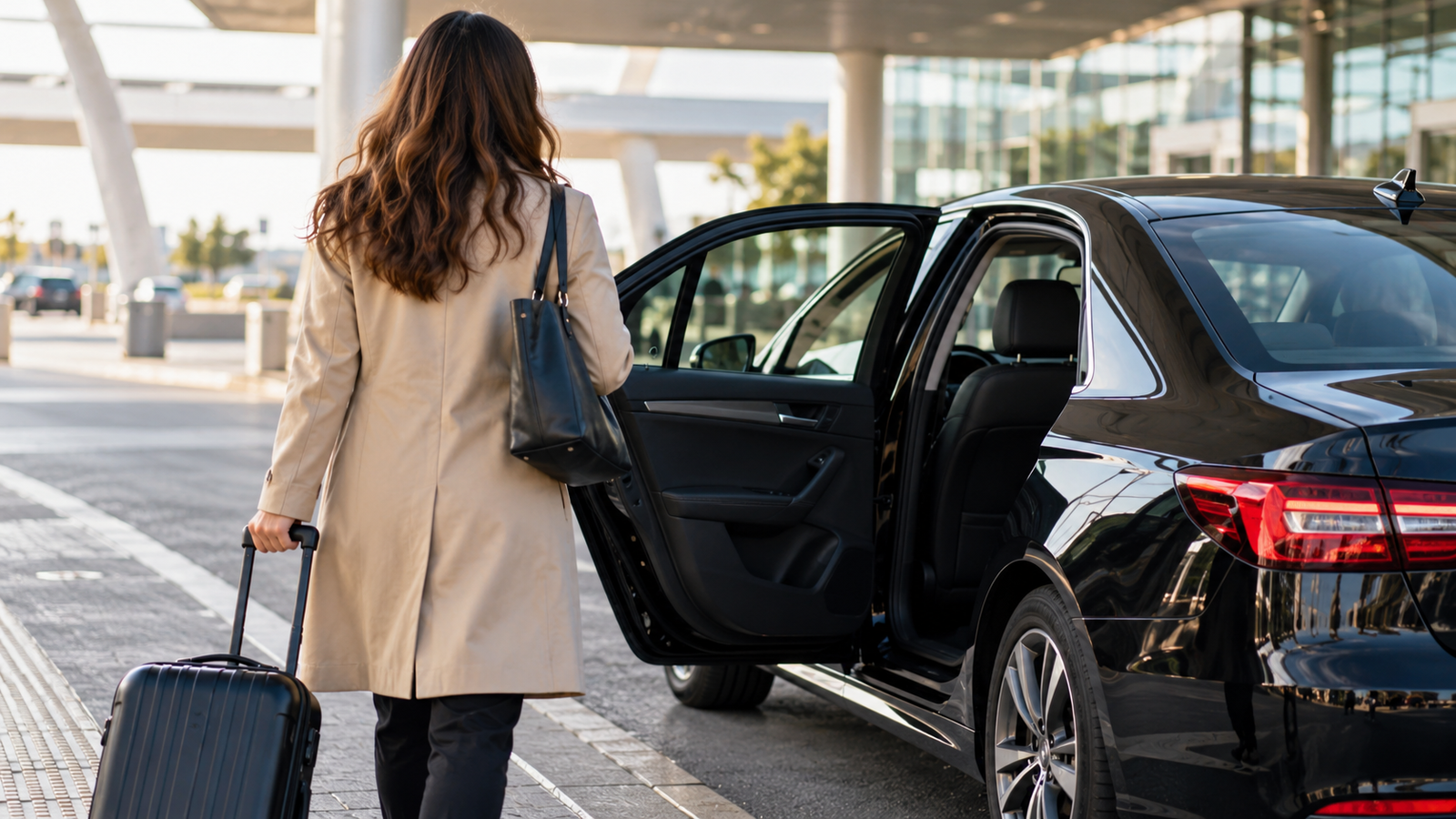
Keep passenger, driver, and outside-road-user coverage questions separate
A passenger inside the booked car, a pedestrian approaching it, and the driver may need different coverage analyses. Identify the person's role and the actual operation before relying on a coverage figure. Obtain policy documents and written positions where possible. A support representative's general explanation may not address the specific vehicle, claimant, or trip.
Create a contact list for each insurer showing the insured party, claim number, and issue handled. Medical-payment questions, property damage, and liability may be assigned to different people. Record what was submitted and when. Reporting an event through an app does not establish that every insurer has the required information or that a formal deadline has been met.
Record treatment and work consequences without merging travelers' losses
Each injured passenger should maintain their own treatment records, symptoms, receipts, and work information. People in the same car can have different injuries and recovery needs. A shared family folder can help organize logistics, but it should not combine expenses or medical histories in a way that obscures who experienced each loss.
Tell treating professionals about new symptoms and relevant prior conditions accurately. Keep instructions and referrals, and document practical obstacles if transportation or scheduling interferes with follow-up. The goal is a clear record of care and limitations, not a diagnosis supplied by an internet page. Medical decisions belong with appropriate professionals.
For a person whose work involves airport shifts, deliveries, customer service, or travel between sites, obtain records of the actual schedule and duties affected. A self-employed claimant should separate gross receipts, expenses, postponed work, and permanently lost assignments. Keep alternative travel costs with dates and purposes, including whether an employer or other source reimbursed them.
Prepare for a consultation while evidence is still available
Bring the timeline, correct vehicle identifiers, report information, treatment records, and correspondence. Identify what is missing: an airport camera, another passenger's receipt, a driver-status record, or an insurer's written explanation. Ask who will request those items and how urgent notices will be tracked. Discuss representation and expenses clearly rather than measuring an attorney by a promised settlement amount.

Before signing a release, have its scope reviewed against unresolved injuries and coverage questions. A payment described by phone as a refund may have written conditions that deserve attention. The New York Uber and Lyft guide and car accident FAQs provide background, but the decisive review should use the actual Queens trip and records.
Legal rules and the timing of a claim
For personal injury claims subject to Article 51, greater claimant fault can bar recovery. Current CPLR 1411.
Many negligence claims use a three-year period, subject to exceptions. CPLR 214.
Where the serious-injury threshold applies, use the current statute and medical evidence. Insurance Law 5102.
Ask counsel to identify insurance applications and any special notice requirements separately from a lawsuit deadline. Airport involvement or a public defendant may require additional analysis, and an app acknowledgement does not replace it.
Queens Uber and Lyft accident questions
What airport details should I save first?
Keep the terminal, level, actual pickup point, vehicle plate, driver details, trip number, and messages changing the meeting place. Flight information can help establish timing but does not prove the car's location. Preserve both scheduled and actual times without making them artificially consistent. A precise airport location helps identify recordings and witnesses far more effectively than the airport name alone.
Does a trip from Nassau to JFK use the same rules as a Queens pickup?
Do not assume so. Origin, vehicle licensing, operation, and policies require review. A trip crossing the city boundary can involve distinctions that a simple “Uber insurance” summary omits. Preserve the full receipt and vehicle information. The destination alone is not enough to decide which regulatory arrangement or coverage applies.
What if the app showed a different driver before arrival?
Keep the assignment changes and confirm which vehicle actually carried the passenger. A cancelled or replaced assignment can explain why an early screenshot does not match the final receipt. Do not discard it, but label its place in the sequence. Accurate identification prevents requests from being directed to a driver who was never involved in the collision.
Can a passenger use another passenger's medical claim?
Each person's injuries, expenses, coverage, and interests need separate evaluation. The same collision can produce different claims. Keep records individually and clarify whom an attorney or insurer represents. Shared travel does not mean one person's statement or settlement automatically resolves another's rights. Coordination is useful when it preserves, rather than merges, the facts.
How should a witness account in another language be handled?
Preserve the witness's own account and preferred language. A reliable interpreter can help when a formal statement is needed. Avoid compressing a detailed description into an informal English summary that loses direction, timing, or uncertainty. Record where the witness stood and what they actually observed, regardless of the language used.
What if I was hit while walking toward the booked car?
Identify the striking vehicle and the movements involved. Preserve pickup messages, crossing location, signals, and any instruction from the driver. The booked ride provides context but does not automatically establish who caused the injury or which coverage responds. A pedestrian claim may require investigation of another driver or roadway condition as well as the pickup arrangement.