
Manhattan Product Liability Lawyer
A damaged charger, failed appliance, or broken household item can leave a Manhattan resident dealing with an injury, an unusable apartment, and uncertainty about what to preserve. The item may have been bought online, delivered through a building package room, and used with accessories from another seller. A product liability investigation starts by identifying the actual product and the sequence of events, rather than assuming the brand on its exterior explains everything.
A Manhattan product liability lawyer can evaluate whether a manufacturing defect, unsafe design, inadequate warning, or another legally relevant failure caused harm. This guide focuses on compact electronics, apartment incidents, purchase records, and evidence that can disappear during cleanup or a recall return. It provides an educational framework, not a conclusion that any particular product or company is responsible for an injury.

A real recall illustrates why exact identification matters
On June 12, 2025, CPSC announced a recall involving about 1,158,000 Anker PowerCore 10000 power banks, model A1263 with qualifying serial numbers, because of fire and burn hazards. The nationwide count is not a Manhattan incident count. Official CPSC Anker recall
That example shows why a familiar brand name is insufficient. Different models may have different components, instructions, and recall status. A photograph of the front of an item may omit the identifying label needed to determine whether a notice applies.
A recall can supply useful investigative context, but it does not automatically prove that the recalled condition caused a particular injury. The absence of a recall likewise does not conclusively establish that a product was safe. The incident still needs its own factual and technical review.
Safety comes before collecting the item
If a product is burning, smoking, dangerously hot, leaking, or otherwise unsafe, move away and obtain emergency assistance as appropriate. Do not handle it merely to capture a serial number or place it in a bag for an attorney. Evidence collection should never require recreating the danger.
A damaged battery can present a continuing hazard even after the visible event ends. Follow emergency responders' and appropriate product-safety professionals' directions. Do not put a suspect battery in ordinary trash, mail it casually, charge it again, or dismantle it to see what failed.
Tell counsel where the item is and who has control of it. A safe preservation plan may require coordination with investigators, insurers, building personnel, or qualified specialists. The objective is to retain useful evidence through safe procedures, not to keep a dangerous object in an occupied home.
If an item must be removed for safety, document who removed it and where it went when that information is available. Explain any unavoidable changes candidly. The legal review can assess the remaining evidence without asking the patient to compromise safety.
Apartment incidents can involve several different causes
In an Upper West Side apartment, a Midtown office, a Harlem home, or a Lower Manhattan residence, an electrical incident may involve a product, an accessory, building wiring, installation, or several interacting conditions. These locations are examples, not verified hotspots. The investigation should avoid selecting a defendant before determining the cause.
Record what was connected to the item, including chargers, cables, adapters, extension equipment, or replacement parts. Keep purchase information for those components too. A product sold under one brand may have been used with an accessory supplied by another company.
Document the location and surrounding conditions only from a safe position. Photographs taken before cleanup may help show the arrangement, but they should not interfere with responders or an official investigation. Ask building management about relevant reports and the identity of anyone who inspected the scene.
An expert may need to distinguish the origin of a fire from damage caused as the fire spread. The object that looks most damaged is not automatically the source. Preserve the investigator's findings and avoid presenting a visual impression as a technical conclusion.
Reconstruct how the product reached the household
Save the order confirmation, invoice, payment record, listing, shipping information, and warranty registration. Online marketplaces can display a platform name more prominently than the actual seller. The transaction documents may identify the entity that supplied the item.
If the product was a gift, ask the purchaser for available records without assuming the injured user must have been the buyer. If it was bought secondhand, document the seller, approximate date, condition, and any information received about prior use or repairs.
Keep packaging and manuals when safely available. Model and lot information may appear on the box even if the product label was damaged. A listing saved at purchase may also differ from the current webpage, so preserve the dated material already in your possession.
Do not infer that every company appearing in the transaction has the same legal responsibility. Counsel can investigate the manufacturer, distributor, retailer, importer, and other participants under the applicable law and facts. Accurate identification is the first step, not a final liability finding.
Three defect theories require different proof
New York recognizes product claims involving manufacturing defects, design defects, and inadequate warnings; the alleged defect must be connected to the injury. New York appellate product-liability discussion
A manufacturing question examines the particular item's condition and how it compares with what was intended. A design question may concern a feature shared by a product line. A warning question examines the information supplied and its role in the event. These are distinct paths of investigation.
The same incident can raise more than one possible theory, but the evidence should determine which is viable. A broken component does not automatically reveal whether it failed before the accident, was damaged during it, or had been altered earlier.
Technical expertise may be necessary to assess those possibilities. Ask what inspection is proposed, what questions it will answer, and how the product's condition will be documented before testing. An informal home experiment can change the very evidence the expert needs.
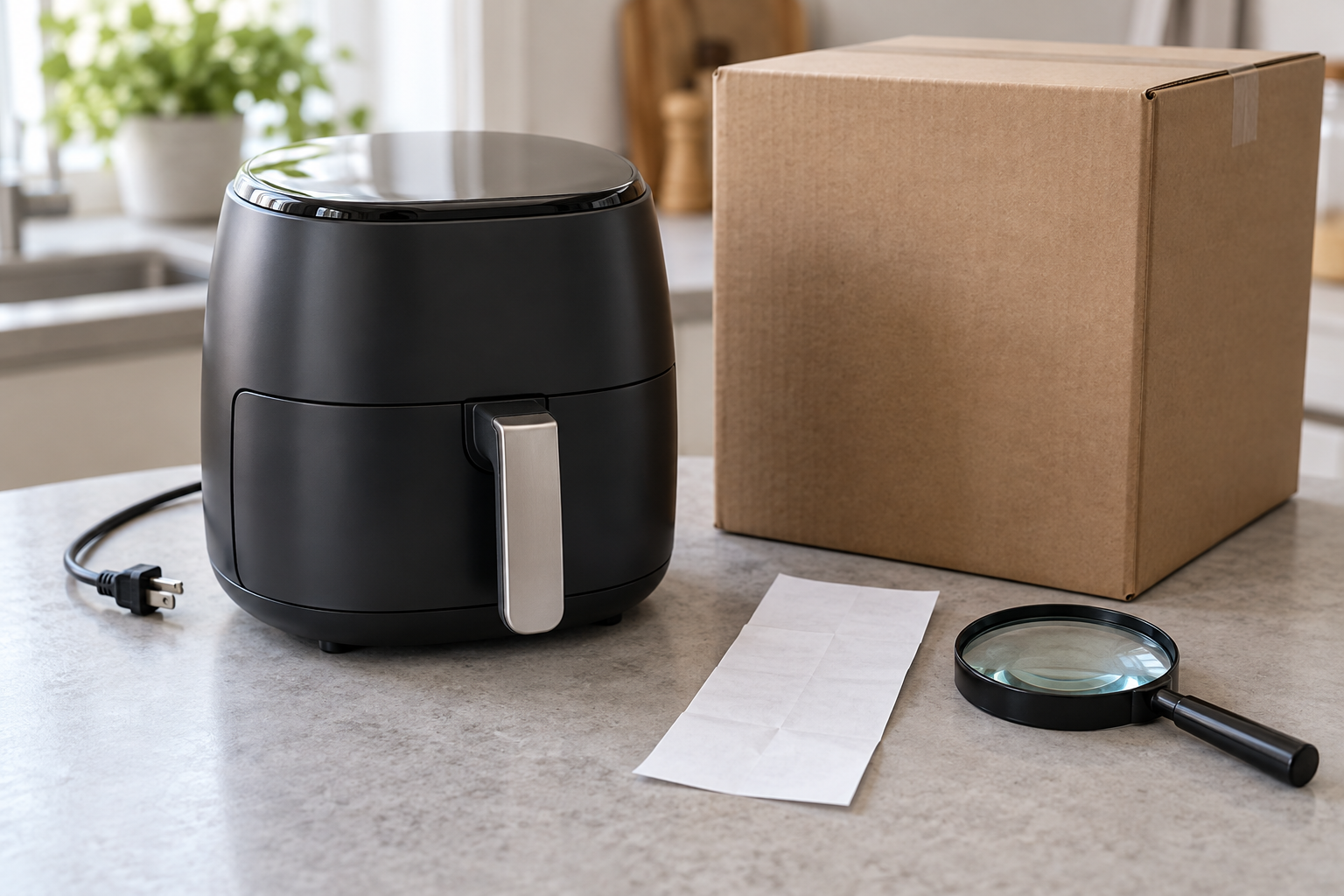
Digital products leave digital evidence
Connected devices may have account histories, app notifications, firmware information, or support conversations relevant to an incident. Preserve available records without resetting the device or deleting the account. Tell counsel what data exists and who controls access.
A software update after an event can complicate reconstruction of the earlier configuration. Record the version information visible in existing screenshots or account records, if safely accessible. Do not power up a damaged device solely to obtain it.
Keep customer-service exchanges in full. A representative's request to troubleshoot, return, or replace the item may identify useful dates and documents. It should not be treated as a legal admission without context.
For a hypothetical charging incident, the review might compare the product model, cable, adapter, charging history, and surrounding conditions. A screenshot showing that an app was open is only one piece of the record. The investigation must still establish the physical mechanism and connection to the injury.
A recall remedy and an injury claim are different
A replacement, repair, or refund program addresses the recalled product. It does not necessarily evaluate all personal injuries, property damage, or other losses associated with an individual event. Read communications carefully and keep copies of forms and instructions.
Follow official stop-use and safety directions. If the remedy involves returning, destroying, marking, or altering the product, tell counsel promptly so safety compliance and evidence preservation can be coordinated. Do not continue using a dangerous item while waiting for a legal review.
If the product has already been returned or discarded, say so immediately. Save tracking information, photographs, correspondence, and any replacement paperwork. The loss of the item can affect the investigation, but its consequences depend on the circumstances and remaining evidence.
Avoid signing a broad release without understanding what claims it covers. A routine customer-service process may contain language that deserves legal review after a significant injury. Ask a licensed attorney to assess the actual document rather than relying on a general description online.
Document the injury independently of the product theory
Obtain appropriate medical care and describe the event accurately. Preserve treatment records, photographs where appropriate, and the progression of symptoms. A medical record can help establish the injury while a technical investigation addresses how the product allegedly caused it.
Do not exaggerate symptoms or omit prior conditions. A complete history permits a more reliable assessment of causation and additional harm. If the mechanism is uncertain, describe what you observed rather than naming a defect that has not been established.
For burn or smoke-related concerns, follow treating professionals' recommendations. This page does not provide medical instructions or predict the patient's prognosis. Keep later records as recovery develops because the initial visit may not describe every lasting consequence.
Work restrictions, daily limitations, and assistance needs should be recorded with dates and concrete examples. A claim's value cannot be estimated reliably from the purchase price or product category alone. The evidence of responsibility, causation, and actual harm matters.
Legal timing should be reviewed early
New York generally provides three years for personal-injury actions, subject to applicable exceptions. Product claims require attention to the theory and accrual date. CPLR 214
Certain latent substance-exposure claims have a distinct discovery framework; it is not a universal product-defect discovery rule. CPLR 214-c
Warranty claims can follow a different clock, generally four years with specific accrual provisions. UCC 2-725
Give counsel the purchase, delivery, incident, injury, and discovery dates. Do not assume that a later recall announcement restarts every claim or that a customer-service complaint preserves a lawsuit deadline. Different theories and parties may need separate analysis.
Working with building and insurance records
An apartment incident may generate reports from building management, a property insurer, emergency responders, and repair contractors. Identify those records and keep copies available to you. Each source may document a different stage of the event and cleanup.
Ask who currently controls damaged items before authorizing disposal. An insurer may be examining property damage while the injured person's interests involve additional evidence. Coordination can help avoid one investigation unintentionally eliminating material important to another.
Separate temporary living expenses, damaged belongings, and medical losses in your records. Keep receipts and identify which entity has already paid or requested reimbursement. Counsel can assess how the various claims and payments interact.
A property settlement should not be assumed to resolve every injury issue, nor should an injury claim be assumed to cover every building loss. The actual policies, agreements, and legal rights require review.

Prepare a focused consultation package
Bring a short incident account, product identifiers, purchase documents, photographs, and medical information. State where the product is now and whether anyone has inspected, repaired, returned, or altered it. These details can determine the next investigative step.
List witnesses and what each observed. A roommate who heard a sound, a neighbor who saw smoke, and a technician who examined the device have different knowledge. Do not combine their observations into one account that suggests everyone saw the same event.
Ask what technical expertise may be necessary and how inspection costs are handled. Product cases can require specialized analysis, but the appropriate scope depends on the item and alleged failure. A responsible review should explain uncertainty and practical limitations.
Confirm the terms of any representation and who will coordinate preservation requests. The first conversation should identify urgent issues and a realistic review process, not promise a result before the product and records are examined.
Separate the device's history from the room's history
An apartment may have undergone electrical work, a furniture move, or a change in how equipment was connected before the incident. Record relevant changes with dates and supporting documents. The purpose is to give investigators a complete setting, not to assume that the most recent change caused the event.
Likewise, describe the device's travel and storage history when known. A portable item may have been carried between home, work, and another location. If it was dropped, exposed to liquid, serviced, or used with a different accessory, disclose that information. Technical analysis is stronger when it can test the full history rather than an incomplete account.
Do not remove a component from the record because it seems embarrassing or unrelated. An expert may conclude that a fact did not contribute, but that conclusion should follow examination. The attorney can also distinguish a potential defense from a fact that legally defeats a claim; they are not automatically the same.
Keep photographs and records in their original form, with a separate note explaining what each shows. A labeled timeline can help an outside reviewer understand a complicated apartment incident without turning uncertain assumptions into established facts.
Manhattan product liability FAQs
Does a recall guarantee compensation?
No. A recall can be relevant, but a claim still requires proof connecting an actionable defect or failure to the individual injury. The model, circumstances, mechanism, and available evidence must be reviewed.
Should I charge the device again to show what happened?
No. Do not recreate a potentially dangerous event or alter a damaged device. Seek appropriate safety guidance and tell counsel what occurred. Qualified inspection can be planned without asking the injured person to repeat the hazard.
What if I cannot find the receipt?
Look for order confirmations, payment records, warranty registration, packaging, or information from the purchaser. Missing one document does not necessarily end the inquiry. Explain what is available and how the item was obtained.
Can a building problem and a defective product both be involved?
Potentially. The investigation should consider the product, accessories, installation, and surrounding conditions. Liability should follow the evidence rather than an assumption based on which object appears most damaged.
Is the online marketplace automatically the responsible seller?
Not necessarily. Preserve the listing and transaction documents identifying the actual participants. Their legal roles require case-specific analysis, and the platform name alone may not answer who supplied or manufactured the item.
What if the manufacturer already replaced the product?
Keep return, shipping, inspection, and replacement records and tell counsel promptly. The original item's location and condition may matter. A replacement does not automatically determine the injury claim or eliminate the need for further review.
Related Manhattan injury resources
Read the New York product liability overview and Manhattan personal injury guide for related context. If the concern involves clinical use of a medical device, the Manhattan medical malpractice page explains a separate potential theory requiring its own evidence.