
Brooklyn Uber & Lyft Accident Lawyer
Brooklyn rideshare accident claims: identify the ride and the street event
A Brooklyn Uber & Lyft accident lawyer may review a collision during a trip, a curbside pickup injury, or a crash involving an app-based vehicle and someone outside it. The app record can help establish the trip, but the street-level event needs its own evidence. A useful claim connects those two accounts without assuming the platform's map proves lane position, speed, or fault.

Brooklyn trip data from an official review
TLC reported 5,458,874 Brooklyn high-volume for-hire trips in January 2025, up 6.9% from January 2024. TLC's license review.
This is a reported trip count, not an accident or injury count. It explains the importance of matching a claim to a specific trip in a large transportation system. It cannot show that a particular neighborhood pickup was unsafe or that the driver in an individual collision was responsible.
Barclays Center and Atlantic Terminal departures
After an event near Barclays Center or a transit arrival at Atlantic Terminal, a passenger may walk to a different corner to meet the driver. Preserve the original request, any pickup change, and the actual boarding location. A crowded area can contain several similar vehicles, so the plate and final receipt are more reliable identifiers than a general description of a dark sedan.
If an injury occurred while approaching or boarding, describe the movement precisely. Was the car stopped? Did it begin moving? Was another vehicle involved? Did a door or curb contribute? The passenger's intention to take a ride does not by itself classify the incident or identify the responsible party.
A nearby business or building may have footage of the approach even if it misses the impact. Record the possible camera view and time window. Keep event and transit receipts as timing aids, but distinguish them from the time the vehicle actually arrived.
Williamsburg and Greenpoint curbside conflicts
In Williamsburg or Greenpoint, a pickup may take place beside a bike lane, parked vehicles, or a loading area. Identify the actual position of the car and the passenger's path. A door-opening collision can involve the driver, passenger, cyclist, or another road user, and the conduct of each needs separate examination.
Preserve who opened the door, which side, and whether the vehicle was moving. A cyclist may have no access to the passenger's app record, making vehicle identification and independent footage especially important. A passenger may have the trip record but not a clear view of approaching traffic. Those perspectives should be combined carefully without treating one as complete.
Do not assume a rideshare decal proves the car was carrying a passenger at that moment. Record what establishes the trip status and what remains unknown. A legal investigation may need driver or platform records to answer that question.
Downtown Brooklyn turns and intersection collisions
Around Downtown Brooklyn and major commercial streets, a passenger may be injured when a driver turns, changes lanes, or brakes in response to another vehicle. Identify the exact intersection and movement. “Near the courthouse” or “on Flatbush” can leave too much ambiguity for a useful reconstruction.
A passenger's seat and attention matter to what they could observe. Someone in the rear seat may feel two impacts without seeing which vehicle moved first. Record those sensations and observations honestly. Do not substitute the driver's later explanation for a personal account.
If several vehicles were involved, preserve each vehicle's information and the sequence. Different insurers may investigate different parts of the event. An early denial by one insurer does not establish that all potential coverage or liability questions have been resolved.
BQE travel and a trip that crosses boroughs
A ride may begin in Brooklyn and continue through another borough before a collision. Preserve the full route, trip origin, and actual crash location. The pickup borough and the crash borough need not be the same, and neither should be silently substituted for the other in a report or claim form.
On the Brooklyn-Queens Expressway, a collision may involve a merge, slowing traffic, or a chain of impacts. A passenger's app map generally does not establish which lane the vehicle occupied. Original video, witness accounts, damage, and roadway evidence may be needed to evaluate the sequence.
If a trip was cancelled or ended in the app around the collision, preserve the timing and communications. An electronic status change may be relevant, but its meaning should be investigated rather than treated as a complete statement about the physical activity at the scene.
Rides arranged for relatives, children, or another traveler
The account holder may not be the person injured. A relative may book a ride, an employer may arrange transportation, or a traveler may share a companion's booking. Preserve the relationship between the booking and actual occupants, including messages confirming the arrangement.
Do not modify an account or claim to make the injured person appear to be the booking customer. Accurate records can establish who traveled without changing the underlying facts. If the injured person is a minor or cannot manage their affairs, ask counsel what authority is needed for legal decisions and documents.
Each occupant's claim should be evaluated separately. Family members may share practical concerns while having different injuries, expenses, and legal interests. An attorney's scope of representation should be clear, especially if any passenger's conduct is part of the dispute.
Recovery records for freelancers and neighborhood workers
A Brooklyn claimant may work in hospitality, retail, construction, creative services, or freelance roles with irregular schedules. Preserve actual assignments, cancellations, invoices, and employer communications. A typical week may not fairly represent seasonal or project-based earnings.
If an injury changes the ability to carry equipment, stand, commute, or concentrate, document the affected tasks and discuss them accurately with treating professionals. Keep assistance and travel records without assuming every inconvenience creates a separate compensable item. A factual record lets counsel distinguish supported losses from understandable uncertainty.
The Brooklyn car accident guide provides broader local collision context. Rideshare cases should retain their additional focus on booking identity, trip status, and the applicable commercial policies.
NYC licensing and insurance are distinct from the statewide TNC system
New York City for-hire service uses TLC licensing; statewide TNC authorization is different. TLC explanation.
For a city trip, verify the driver, vehicle, base, and actual policies. Do not automatically apply a statewide rideshare insurance summary to a TLC-regulated vehicle. A ride booked through a familiar app can still require a careful review of the particular service and vehicle involved.
TLC's March 2026 chart lists $100,000/$300,000 bodily-injury limits and $100,000 PIP for 1–7-passenger livery/black cars. TLC requirements.
Those are category-specific minimum requirements, not a statement that every available policy has only those limits or that a claimant will receive them. Obtain the applicable policy and coverage position. Vehicle type, trip circumstances, additional coverage, and the collision date can affect the analysis. Older online references to different required PIP amounts should not replace current documents.
Connect the Brooklyn curb scene with the booking history
Keep the final receipt, plate, driver name, trip identifier, and messages about the meeting point. A passenger leaving an event near Atlantic Terminal may have cancelled one request and boarded a replacement vehicle. Preserve both records with their place in the sequence. The relevant car is the one actually involved, not necessarily the first vehicle shown in a screenshot.
Build a chronology that distinguishes waiting, approaching the car, boarding, travel, and exit. If a cyclist or pedestrian was injured beside the vehicle, identify what was observed about the trip rather than assuming an active ride from a decal. If a passenger opened a door, preserve that action separately from the driver's positioning or another vehicle's movement. Several people can have relevant conduct and different legal interests.
A friend or employer may hold the account record even though they were not in the car. Ask them to preserve complete messages and receipts, with permission, and record the actual occupants. Do not alter the booking to make the injured person appear as the account holder. A truthful connection between the booking and passenger is more useful than a superficially simpler but inaccurate record.
Preserve the evidence that explains the approach
In a Downtown Brooklyn intersection claim, the useful recording may show the lane change before impact. For a Williamsburg door incident, it may show the car stopping and the cyclist's approach. Identify the view needed before contacting possible evidence holders. A camera directly above the final scene may be less useful than one farther away facing the preceding movement.
Keep original videos, photos, and messages, then make separate copies for notes. Record who supplied each file and whether it shows the event, the approach, or only the aftermath. A cropped social-media clip can omit important context; request the complete original through appropriate channels when possible. Never remove unfavorable moments from evidence supplied for a claim.
A platform report, police record, and insurance submission serve different functions. Maintain a list of confirmation numbers with dates and a short description of what each concerns. If a customer-support representative handles the fare, do not assume that person has also opened every injury-related process. Written records help a lawyer identify what was actually done and what remains outstanding.
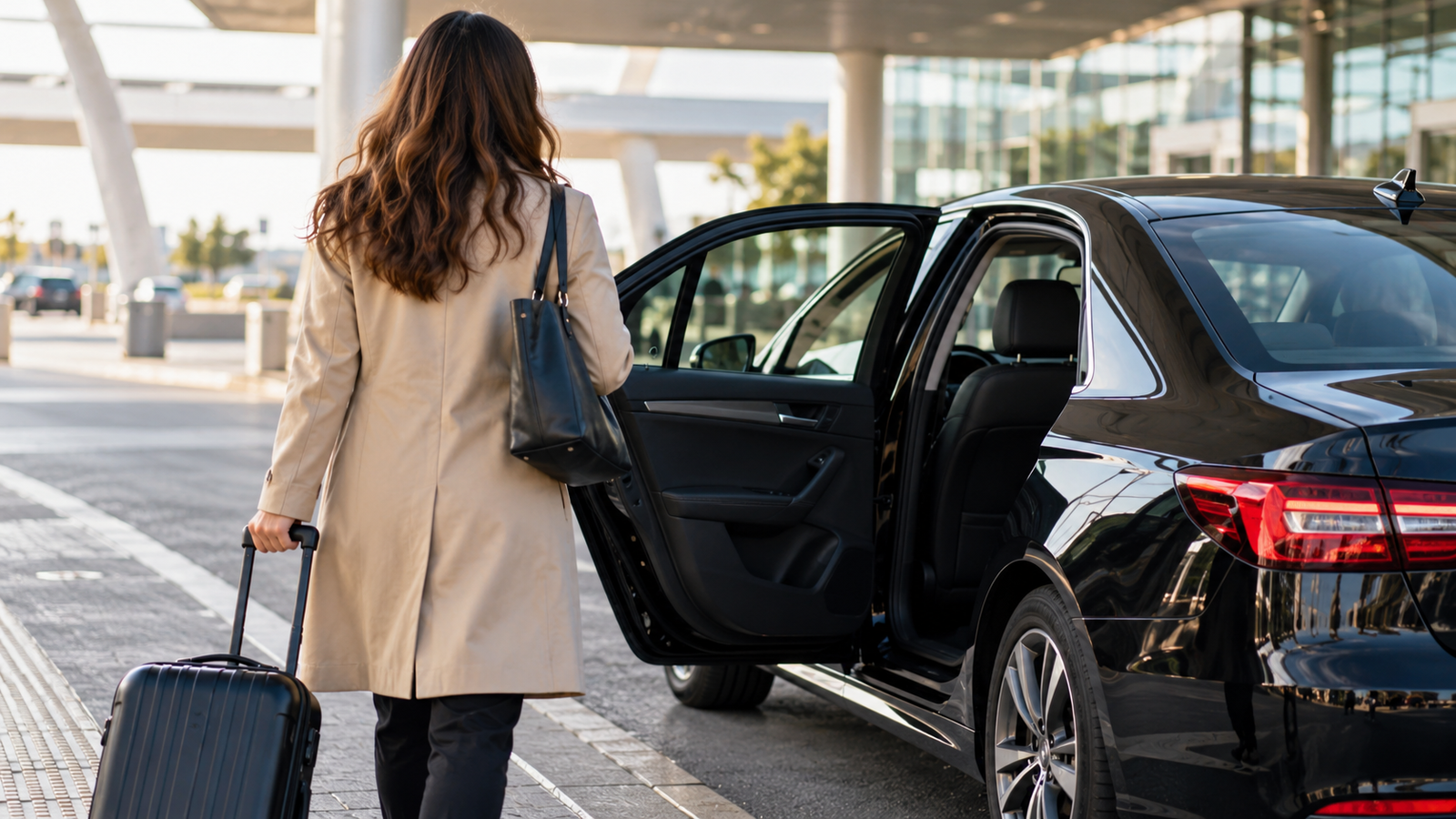
Understand the policies without assuming the app is the only relevant party
A claim may involve the booked vehicle's commercial policy and another driver's insurance, along with benefits applicable to the injured person. Ask which policy and claimant role an adjuster is considering. A passenger, driver, cyclist, and pedestrian do not necessarily follow an identical coverage path. A policy limit describes available coverage under specified terms, not an automatic recovery.
If a vehicle owner, base, driver, and platform are identified separately, keep their roles clear. The app used to arrange transportation does not by itself prove who owned the car or controlled a disputed action. Investigation should connect conduct and responsibility instead of treating every business name as interchangeable. Preserve the actual documents rather than relying on a generalized insurance chart found online.
Document recovery in the context of the person's work and home
A Brooklyn freelancer may have cancelled projects rather than a conventional employer absence record. Save contracts, invoices, work calendars, substitute labor expenses, and communications about postponement. A restaurant or retail worker may instead need shift and duty records. Explain what the injury prevented and what work remained possible, using medical restrictions and actual tasks rather than a broad job title alone.
Keep treatment instructions, referrals, prescription receipts, and a dated account of changing symptoms. Discuss prior conditions and new limitations honestly with providers. If travel, cost, or scheduling interrupts care, preserve that explanation. This page offers no medical diagnosis; appropriate professionals should guide treatment and evaluate symptoms.
At home, record concrete assistance such as carrying equipment upstairs, shopping, childcare, or travel to appointments. Separate actual expenses from unpaid help and avoid assigning speculative values to every inconvenience. A factual record can explain the practical effect of an injury while allowing counsel to decide which losses are legally recoverable. Keep reimbursements visible so an expense is not counted as unpaid after someone else has covered it.
Review the next step with a complete picture of unresolved issues
Before a consultation, assemble the trip history, collision chronology, medical information, insurer letters, and a list of missing evidence. A passenger might have an excellent receipt but no information about the other vehicle; a cyclist might have video but no trip identifier. Ask how those particular gaps will be addressed and who will track time-sensitive requests.

Ask for the representation scope, fee arrangement, and expense provisions in writing. If several occupants seek help, clarify whom the attorney represents. Before accepting a payment, understand whether the release concerns a fare complaint, property, bodily injury, or several claims. The New York Uber and Lyft guide and car accident FAQs can support that conversation without replacing a review of the particular Brooklyn event.
Legal rules and the timing of a claim
For personal injury claims subject to Article 51, greater claimant fault can bar recovery. Current CPLR 1411.
Many negligence claims use a three-year period, subject to exceptions. CPLR 214.
Where the serious-injury threshold applies, use the current statute and medical evidence. Insurance Law 5102.
Track insurance notices and any public-entity procedures separately from the ordinary lawsuit period. An event near transit or a public property does not identify the correct defendant by itself; location and responsibility need review.
Brooklyn Uber and Lyft accident questions
What if the passenger opened a door into a cyclist's path?
Preserve who opened the door, the vehicle's position, surrounding traffic, and any instruction or warning. The driver, passenger, and cyclist may have different interests, so responsibility should not be assumed from their roles alone. A trip receipt identifies the ride but may not show the door movement. Independent footage and witness accounts can be especially useful.
Can the booking account belong to someone who was not in the car?
Yes. Preserve the account holder's complete records and evidence identifying the actual occupants. Explain the arrangement truthfully rather than changing the account history. A relative, employer, or companion may hold important trip information. Ask counsel how to obtain and preserve it while keeping each injured person's medical and legal records separate.
Does the app map prove which lane the driver used on the BQE?
Usually it should not be treated as that precise without further analysis. A route display may summarize travel without resolving lane position or the exact impact sequence. Preserve the original record, but look for video, damage evidence, and witnesses as well. The map's usefulness depends on what it actually records, not what a viewer assumes it means.
What if the driver ended the trip immediately after the crash?
Save the receipt, timestamps, messages, and any explanation. An electronic trip end may matter to coverage, but it does not erase the preceding physical events. Record when the collision occurred relative to the status change as accurately as possible. Do not alter times to fit a theory; counsel can compare the passenger, driver, and platform records.
How can a freelancer document income loss?
Keep contracts, invoices, cancelled bookings, project schedules, expenses, and substitute labor information. Distinguish work postponed from work permanently lost and gross receipts from net loss. A clear comparison with prior work patterns can be more useful than a rounded weekly estimate. Medical limitations should also be connected to the actual tasks the person could not perform.
What if a support representative offers a fare refund?
Keep the communication and review any terms before accepting an agreement. A routine fare issue and an injury claim can be different matters, but the actual document controls what is being released. Do not assume a customer-support response addresses insurance benefits or legal deadlines. Ask what process the representative is handling and preserve the complete correspondence.