
Manhattan Uber & Lyft Accident Lawyer
Manhattan rideshare accidents: preserve the pickup, trip, and collision separately
A Manhattan Uber & Lyft accident lawyer may review an injury inside a booked ride, a collision with an app-based vehicle, or an incident while a passenger enters or exits at the curb. These situations share a need for trip evidence, but they do not necessarily share the same insurance or liability analysis. Start with the exact event and the vehicle's actual operation rather than assume the app name answers every question.
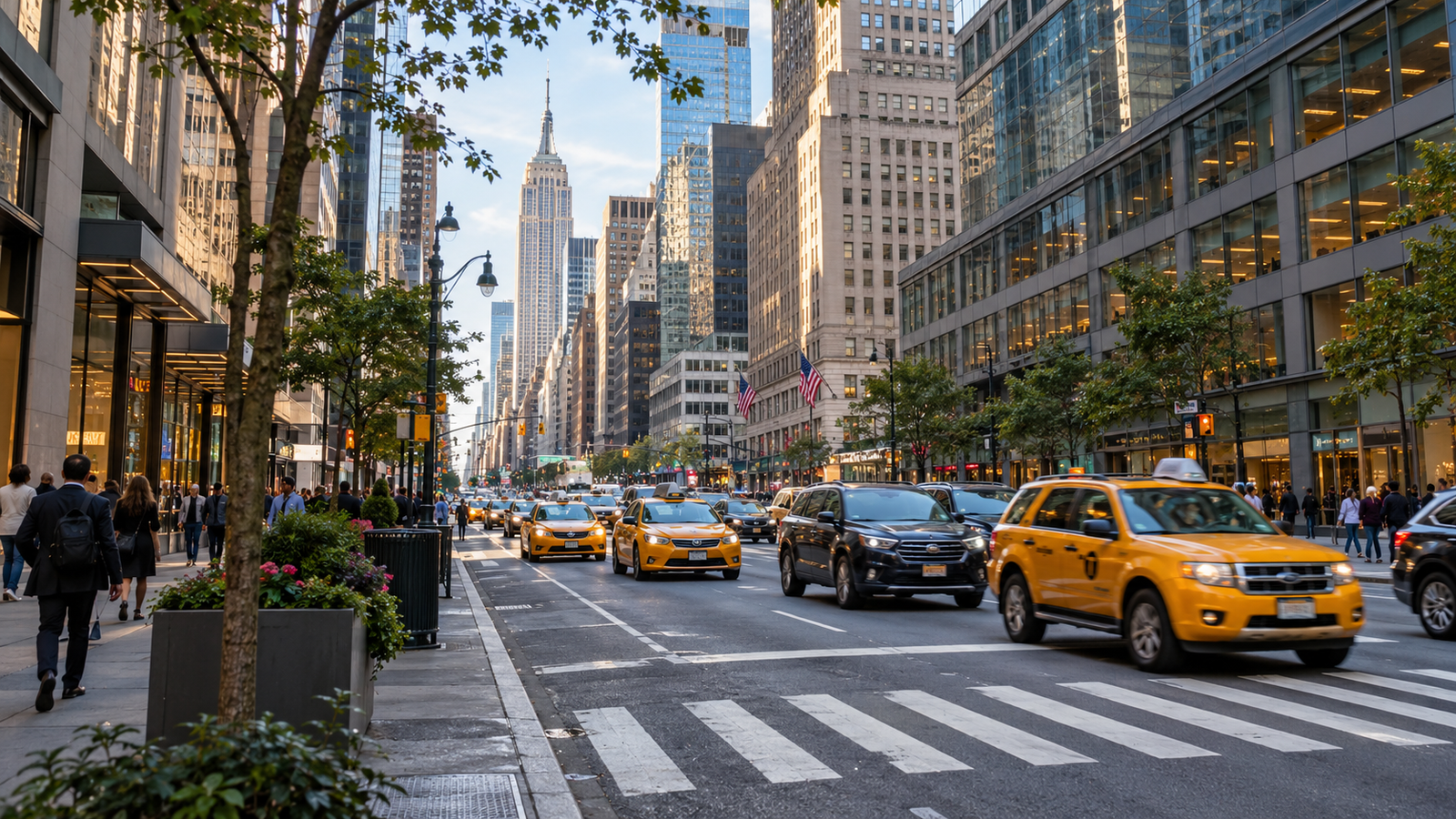
Real Manhattan trip data, without a crash-rate claim
TLC reported 7,784,756 Manhattan high-volume for-hire trips in January 2025, down 1.0% from January 2024. TLC's 2025 license review.
This measures reported trip activity, not collisions, injuries, or an individual's risk. It shows why a claim should identify one particular ride within a large transportation system. A citywide or borough trip count cannot establish that a driver was negligent at a particular corner, and it should not be used to invent a ranking of dangerous pickup locations.
Penn Station and Midtown pickups: the pin may not be the boarding point
A passenger leaving Penn Station, a Midtown office, or a hotel may move from the requested pickup pin to a different curb after speaking with the driver. Preserve the original pickup request and the messages explaining the change. Record the actual street side, cross street, and location where boarding began.
If the injury occurred before the passenger entered, identify whether the vehicle was moving, a door was opening, luggage was being handled, or another road user was involved. “During my Uber ride” can be an understandable description but may obscure the mechanism. The investigation needs to know whether the collision happened during approach, boarding, travel, or exit.
A hotel entrance or building security camera may show the vehicle stopping and the passenger approaching even if it does not show the later impact. Preserve the building address and the likely view. Do not assume a platform's route record will reveal curb position, door movement, or which side of the car the passenger used.
Theater District departures and several possible vehicles
After an event near Times Square or the Theater District, a passenger may receive a replacement driver, cancel one request, or book through another person's account. Keep all relevant receipts and messages, including the cancelled trip if it helps explain the sequence. A screenshot of an earlier assigned vehicle can lead to the wrong driver if the assignment changed.
Match the actual plate, driver, and trip identifier. If a companion booked the ride, ask them to preserve the original account records rather than only forwarding a cropped screenshot. Record who was in the car and where each person sat. Different passengers may have different observations and injuries.
A crowded departure does not itself establish that a pickup was unlawful or unsafe. The evidence should identify the specific movement or condition that contributed to the injury. A useful account describes a vehicle pulling away, a door entering a travel path, or another driver's maneuver instead of relying on a broad statement about congestion.
Avenue lane changes and a passenger's limited viewpoint
A passenger looking at a phone may feel an impact without seeing the preceding lane change. That limitation should be stated honestly. Record the seat occupied, direction faced, what was heard, and what was observed immediately afterward. Do not adopt the driver's explanation as personal knowledge simply because it was given first.
On avenues such as First, Second, Sixth, or Eighth, a claim may involve a turn, merge, curb departure, or traffic signal. Identify the actual movement and intersection. Interior or exterior vehicle recordings, nearby cameras, and independent witnesses may help explain events a passenger could not see.
A passenger's lack of control over the vehicle is important, but it does not eliminate the need to establish which conduct caused the injury and which insurance applies. If several drivers dispute responsibility, a claim may require investigation of more than one vehicle rather than waiting for one insurer to accept another driver's account.
Downtown drop-offs and injuries at the curb
In Lower Manhattan, the intended destination may be a building entrance while the driver stops on a nearby side street. Preserve the requested destination, actual stopping point, and any instruction to cross or walk around the vehicle. The building name alone may not identify the scene.
A fall while exiting can involve vehicle movement, the door, a curb, a roadway condition, or the passenger's own movement. Record what happened without assuming every exit-related injury is a traffic collision. A property or public-road issue may require a different investigation and different notice procedures.
If a cyclist or pedestrian was injured during a passenger's exit, preserve who opened the door and the surrounding traffic. The passenger, driver, and another road user may have separate interests. Each person's conduct should be evaluated individually, and an attorney's representation should be clearly understood rather than assumed to cover everyone in the vehicle.
Visitors, business travelers, and evidence after leaving the city
A visitor may return home before symptoms, insurer questions, or missing records become clear. Preserve the trip receipt, local treatment records, hotel information, and witness contacts before travel complicates access. Keep a copy of any report number and the agency that prepared it.
A business traveler should distinguish personally paid expenses from amounts reimbursed by an employer or travel insurer. Keep reimbursement records with receipts. This avoids presenting the same expense twice and helps counsel understand which losses remain outstanding.
If treatment continues outside New York, preserve the connection between the original event and later care through accurate histories and complete records. Do not assume geographic distance makes follow-up irrelevant. Ask a licensed attorney about the practical process for managing a claim when the injured person lives elsewhere.
A Manhattan evidence checklist that fits the event
For a curb incident, prioritize the actual stopping point, door movement, and nearby cameras. For an in-vehicle collision, preserve seat position, trip status, other vehicle information, and the approach sequence. For a pedestrian or cyclist, identify the vehicle and what establishes its app-related operation without guessing.
Keep these local details beside the broader insurance documents. An organized file can show which facts are confirmed and which require platform, driver, or third-party records. For related roadway context, see the Manhattan car accident guide.
NYC licensing and insurance are distinct from the statewide TNC system
New York City for-hire service uses TLC licensing; statewide TNC authorization is different. TLC explanation.
For a city trip, verify the driver, vehicle, base, and actual policies. Do not automatically apply a statewide rideshare insurance summary to a TLC-regulated vehicle. A ride booked through a familiar app can still require a careful review of the particular service and vehicle involved.
TLC's March 2026 chart lists $100,000/$300,000 bodily-injury limits and $100,000 PIP for 1–7-passenger livery/black cars. TLC requirements.
Those are category-specific minimum requirements, not a statement that every available policy has only those limits or that a claimant will receive them. Obtain the applicable policy and coverage position. Vehicle type, trip circumstances, additional coverage, and the collision date can affect the analysis. Older online references to different required PIP amounts should not replace current documents.
Put the booking and the Manhattan block on the same timeline
Begin with a simple sequence: the requested pickup, any change of corner, the car's arrival, boarding, the collision, and the trip's recorded end. Keep the driver name, plate, receipt, and trip identifier beside that sequence. A hotel address or Penn Station pickup label may identify the destination generally without showing the actual curb. The purpose is to connect the digital record with the physical event, not to treat either as a complete account by itself.
If an employer or traveling companion booked the car, ask that person to preserve the complete record. A forwarded screenshot can omit a replacement driver, a changed pickup, or later correspondence. Record the booking account separately from the names of the occupants. This is particularly helpful for a business traveler who has an expense receipt but no access to the original app history.
For a person struck outside the car, start with vehicle identification and what establishes the car's activity. A decal seen after the collision is different from observing a passenger board. Mark that distinction. Counsel may need records from the driver or platform to determine status and coverage; the pedestrian should not guess at a trip stage they could not observe.
Keep the original digital record and a practical evidence index
Save complete emails and messages as well as screenshots. A screenshot of a map can locate a general route while omitting the time or exact trip number. Keep the original file, then make a separate working copy if notes are needed. Record who supplied each item so an attorney can distinguish your own account records from a companion's forwarded material.
For a Midtown curb incident, an evidence index might identify the hotel entrance camera, a nearby shop, the driver's vehicle recording, and a witness at the next corner. For an avenue collision, the useful view may be the approach rather than the impact. Explain what each source might show without asserting that a recording exists until that is confirmed. A focused request is easier to evaluate than a list of every building on the block.
Keep app support, insurer, and police communications in separate folders. The same collision may generate several reference numbers, and each number serves a different process. Note the date and substance of a call rather than relying on a later memory that “Uber was told.” A customer-support acknowledgement should not be mistaken for confirmation that medical benefits or legal notices have been handled.
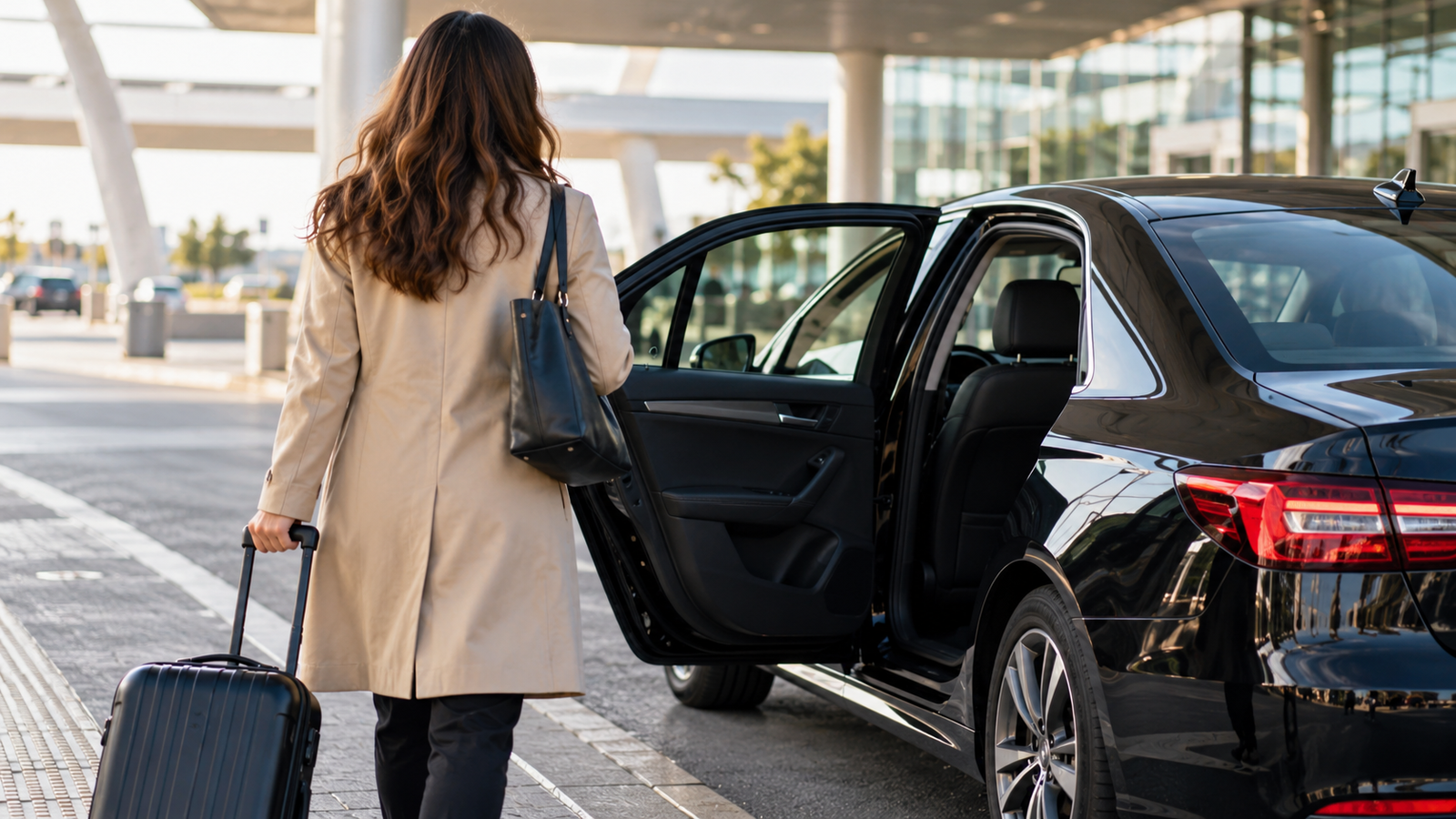
Describe recovery through the tasks Manhattan travel requires
After appropriate medical evaluation, keep a record of symptoms, follow-up instructions, and changes in ordinary activity. A passenger who normally walks between client meetings may need transportation for short distances; another person may struggle with subway stairs or carrying work materials. Describe those limitations to treating professionals accurately. This page cannot decide which symptoms require a particular treatment or diagnose the injury.
Keep receipts with a brief purpose: travel to an appointment, prescribed supplies, or assistance needed because of a documented limitation. For a visitor, distinguish expenses personally paid from amounts reimbursed through work or travel coverage. An organized account avoids counting a reimbursement as an outstanding loss and helps explain which costs actually arose from the event.
Work documentation should reflect the person's job. A restaurant employee's missed standing shifts differ from a consultant's cancelled meetings or an office worker's reduced hours. Ask an employer to identify absences and modified duties separately. Freelancers should retain cancelled bookings, invoices, and expenses rather than estimate income from the busiest recent week. A claim becomes clearer when medical limitations and work records describe the same practical problem.
Review offers and representation with the unresolved issues visible
A fare refund may arrive before an injury claim is organized. Retain the full communication and any terms attached to a payment. Ask what the proposed agreement would end and whether it concerns only a service complaint, property, or broader claims. Neither a quick offer nor a familiar app logo establishes that the amount reflects all recoverable consequences.
Bring a consultation file that identifies confirmed facts and missing records. For example, a passenger may have the receipt and treatment records but lack the other driver's insurance or the hotel footage. Ask who will pursue those items, evaluate the vehicle's licensing and policies, and track urgent dates. Request the fee arrangement and expense terms in writing so the proposed work is understandable.

For additional background, see the New York Uber and Lyft accident guide and car accident FAQs. A local review should still address this particular trip, block, vehicle, and injury. Keep copies of every submitted document and a short list of unanswered questions so the process does not depend on remembering scattered phone conversations.
Legal rules and the timing of a claim
For personal injury claims subject to Article 51, greater claimant fault can bar recovery. Current CPLR 1411.
Many negligence claims use a three-year period, subject to exceptions. CPLR 214.
Where the serious-injury threshold applies, use the current statute and medical evidence. Insurance Law 5102.
Insurance and public-entity notice requirements can arise sooner than the ordinary lawsuit period. A support case does not extend them; ask counsel to identify the dates for the actual parties and claim.
Manhattan Uber and Lyft accident questions
What if a friend booked the ride?
Ask the account holder to preserve the complete receipt, driver details, messages, and incident correspondence. Record who actually traveled and where each person sat. The person paying for the trip and the person injured may differ. Do not change the account history or present yourself as the booking customer if that is inaccurate. Counsel can connect the passenger to the trip using truthful records.
Does the pickup pin prove where the car stopped?
No. The requested location may differ from the actual curb after a call, message, road closure, or driver decision. Preserve both locations and explain the change. A building camera or contemporaneous photograph may show the physical stop more clearly than the app map. Avoid silently replacing the original requested location with a later estimate.
Can I rely on the driver's statement about the other car?
Record it as the driver's statement, with the time and circumstances, rather than as something you personally observed. A passenger may not have seen the approach. Other evidence can test the account. Being precise about the source of information improves credibility and prevents a useful observation from becoming an overstated claim of personal knowledge.
Does reporting the crash in the app start every required claim?
Do not assume it does. Keep the support confirmation and ask which process is being handled. Police reporting, insurance applications, and legal notices can have separate purposes and deadlines. A refund or customer-support response does not necessarily address injury coverage. Maintain copies of all communications so a reviewer can identify what remains to be done.
What if I was injured stepping out near my destination?
Describe the exact mechanism: vehicle movement, door contact, curb condition, a fall, or another road user's involvement. Preserve the actual stopping point and any instruction given. The event may require a different analysis from a collision during travel. A general statement that the ride had ended should not replace examination of what physically caused the injury.
Can I pursue the issue after returning home?
A visitor should obtain individualized advice about jurisdiction, deadlines, records, and representation. Preserve local evidence promptly even if later care occurs elsewhere. Keep travel and reimbursement documents so actual outstanding losses can be distinguished from amounts already paid. Distance may affect practical arrangements, but it should not become a reason to wait while important recordings disappear.