
Manhattan Motorcycle Accident Lawyer
A Manhattan motorcycle claim starts with visibility and a precise timeline
Someone looking for a Manhattan motorcycle accident lawyer may be facing injuries, a damaged bike, and an account of the crash shaped by people who did not see the rider's approach. A careful investigation should examine the actual movement of each road user rather than begin with stereotypes about motorcycles. Manhattan's intersections, loading activity, and close succession of traffic signals make location-specific evidence especially useful.
What national motorcycle data does and does not tell you
NHTSA reports 6,228 motorcyclist deaths nationally in 2024, representing 16% of traffic fatalities. NHTSA motorcycle safety data.
Those figures describe a national safety problem; they do not identify Manhattan's most dangerous intersection or prove why an individual collision occurred. For a particular rider, the stronger authority comes from properly preserved footage, physical evidence, medical records, and a transparent account of uncertainty. Use statistics as context, then investigate the actual event.
Avenue intersections: the turn matters more than the label
On avenues such as First, Second, Sixth, or Eighth, a collision may involve a turning vehicle crossing the rider's path, a lane change, or a vehicle pulling away from the curb. Record the movement rather than describing everything as a “left-turn accident.” Which vehicle turned? From which lane? Where was the motorcycle before the maneuver began? Which signal did each person observe?
At a Midtown intersection, several vehicles can interrupt the view between a driver and a motorcycle. A bus, delivery truck, or queue of turning cars may be relevant. Photograph the approach from a safe public location if possible, but remember that a later photograph may show a different traffic pattern. The moment of visibility may need to be reconstructed from contemporaneous video and witness accounts.
A driver saying “I never saw the motorcycle” is not a complete liability analysis. It leaves open why the rider was not seen, whether the driver looked appropriately, and whether the movement could have been made safely. Equally, the statement does not by itself prove every element of a claim. The surrounding evidence remains important.
Curbside pickups, door openings, and delivery stops
Around hotels, restaurants, and office buildings, a rider may encounter a vehicle moving into traffic after a passenger pickup or a door opening near the travel lane. Preserve the vehicle's position, the side on which a door opened, and whether a passenger, driver, or delivery worker was involved. If the vehicle was operating through an app, the trip status and company information may matter to coverage.
Do not assume a particular commercial policy applies simply because the car displayed a rideshare decal. The relevant activity at the time needs to be established. A passenger receipt, trip record, driver identification, or contemporaneous message may help identify that activity. Preserve what you lawfully have and let counsel request records controlled by others.
For a collision near a bike lane, identify the actual type of vehicle involved. A motorcycle, limited-use motorcycle, electric bicycle, and bicycle are not interchangeable legal categories. Photographs, registration, and model information can prevent a claim from being analyzed under the wrong rules.
West Street and the transition between through traffic and local access
A motorcycle collision on West Street may involve a signalized crossing, a turning lane, or traffic entering from a side street. Describe the exact cross street and travel direction. A rider's account of “the West Side Highway” may be understandable conversationally but too imprecise for identifying cameras, roadway control, or the correct scene.
If a rider was forced to brake or swerve without direct contact, preserve evidence of the triggering vehicle and its movement. The absence of paint transfer does not explain what happened by itself. Witnesses, video, tire marks, and the rider's immediate account may be especially important. Insurance questions concerning unidentified or noncontact vehicles require prompt individual review.
A bridge or tunnel approach adds another location problem: a collision can occur on the approach, a ramp, or the bridge itself. Record the entrance used, signs visible, lane, and nearby landmark. Do not guess at jurisdiction from the destination shown on a road sign.
Helmet use and rider conduct should be examined accurately
New York requires approved helmets and operator eye protection. New York DMV motorcycle rules.
Preserve the helmet and other gear, along with purchase information or photographs showing their condition before the crash when available. If equipment becomes an issue, distinguish whether it relates to the cause of the collision, the nature of an injury, or both. A dispute about protective equipment should not replace an investigation of a driver's unsafe turn or lane change.
Likewise, an allegation of speeding should be tested against evidence. A witness may have perceived a motorcycle as fast because of its sound or brief appearance. Physical evidence, reliable video, and appropriate expert analysis may be more useful than a bare impression. Riders should be equally candid about facts that may be unfavorable; an accurate account permits informed advice.
Practical recovery issues in a dense city
A damaged motorcycle may have been the rider's main way to reach work, visit family, or transport essential items. Keep receipts for reasonable alternative travel and distinguish personal inconvenience from documented expense. If a rental or replacement vehicle is considered, ask the insurer what is covered and what approval or documentation it requires.
Recovery can also make stairs, carrying groceries, and walking to transit difficult. Record specific assistance and expenses instead of relying only on general descriptions of pain. A friend helping with errands may be able to describe dates and tasks. Paid services should be supported by invoices. Whether a particular item is legally recoverable still requires case-specific advice.
For broader local collision issues, see the Manhattan car accident guide. Motorcycle claims should retain their own coverage analysis even when the crash happened alongside ordinary car traffic.
Sorting coverage when several vehicles or businesses are involved
Motorcycle riders and passengers are excluded from New York no-fault benefits. The New York DMV motorcycle manual explains the distinction; the DFS no-fault guide provides broader background.
For a Manhattan collision involving a pickup, delivery, or commercial vehicle, create a separate record for each vehicle and insurer. Preserve any available trip receipt, company identification, claim reference, and written response. A logo, passenger, or curbside location may suggest a line of investigation, but does not establish the policy that applies.
Discuss medical-bill handling promptly. A rider should not assume that ordinary car-occupant benefits will cover treatment. Provide health-insurance information, the motorcycle policy, and relevant employment details so advisers can identify possible coverage. Ask which part of a claim concerns injury, which concerns the damaged bike, and what information each insurer still needs.
The applicable damages and fault rules require review of the actual claimant and vehicles. Avoid importing a car-case summary without analysis. CPLR 1411
Preserving a bike removed from a busy Manhattan street
Emergency access and traffic management may require quick removal of a motorcycle. Obtain the tow company's name, destination, receipt, and any available photographs from before removal. If the rider cannot manage those details, a trusted helper can record them without interfering with responders.
Contact the insurer and counsel about an inspection plan before authorizing major repairs or disposal. Storage costs can accumulate, so evidence preservation should be coordinated with a practical decision about where the bike will remain. Keep every invoice and distinguish a storage charge from a repair estimate or salvage offer.
Document the motorcycle as received, including damage on both sides, controls, lights, tires, and detached parts. Note whether anyone has moved, cleaned, or altered it since the collision. The aim is to preserve a reliable history, not to make the vehicle look more dramatic for photographs.
Keep clothing and protective equipment separately labeled with what is known about their use and handling. Damaged safety gear should not be reused based on an online assessment. Its evidentiary value and its suitability for future riding are different questions requiring appropriate guidance.
Build a visibility timeline from the approach to the impact
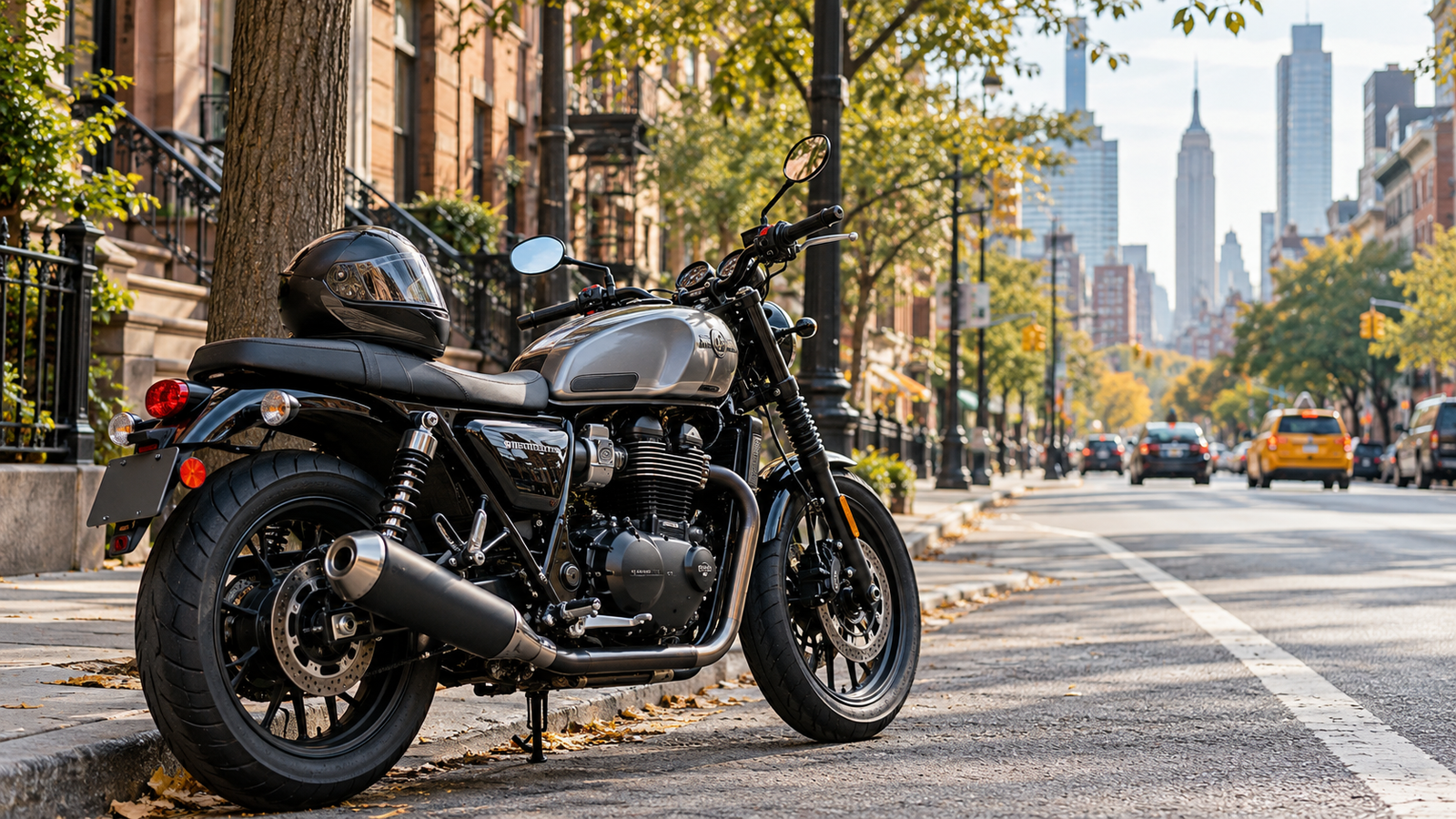
In dense traffic, the crucial event may begin before the second captured in a dramatic image. Identify the rider's approach lane, intervening vehicles, the other driver's maneuver, and any obstruction to the view. Separate what the rider remembers from what was learned afterward.
A storefront camera, building entrance camera, or onboard recording may show different portions of the sequence. Give counsel a precise location and time window so preservation efforts can be directed sensibly. Do not assume that a camera visible on a building points at the roadway or retains recordings indefinitely.
Retain complete original video rather than only a social-media clip. Include the period before and after impact, and note whether the device clock was accurate. A copy made for convenient viewing should not replace the original file or remove inconvenient portions.
Witness positions matter. Someone at a corner may have seen the turn but not the motorcycle's earlier approach. A passenger may have heard a horn without seeing the signal. Recording those limits helps an investigator combine accounts without turning uncertainty into an invented fact.
Track the practical cost of recovering in the city
Keep a dated record of medically supported limitations and the activities they affect. A change from subway travel to a hired car, for example, should be accompanied by the reason, date, destination, and receipt. Distinguish a physical restriction from the simple loss of the damaged motorcycle as transportation.
For work interrupted by treatment, retain employer communications and records of missed time. A self-employed rider may need contracts, cancelled appointments, invoices, and evidence of replacement help. Explain whether work was permanently lost or performed later; those situations can have different economic effects.
Tell treating clinicians about new symptoms and obstacles to following their recommendations. If access, scheduling, or cost causes a missed appointment, document the problem accurately. A factual record is more useful than assuming a gap in treatment needs no explanation.
The damages review should connect claimed expenses and losses to evidence. A large vehicle, visible damage, or a particular diagnosis does not produce an automatic settlement figure. Ask how the available records support each category and which questions remain unresolved.

Plan the first legal consultation around the missing evidence
Many New York negligence claims have a three-year period, subject to exceptions. CPLR 214
Ask for a deadline review based on the incident's actual parties. A road-condition claim, public defendant, insurance notice, or other circumstance can introduce additional requirements. The time available to preserve nearby video may be much shorter than the time available to file a lawsuit.
Bring the report number, towing details, photographs, medical information, policies, and a concise chronology. Identify the biggest unanswered questions, such as whether a turning driver could see the rider or whether a commercial vehicle was on an active trip. This helps counsel explain the proposed investigation in concrete terms.
Clarify who will communicate with insurers, how expenses are handled, and what the representation includes. Read the engagement terms before signing. The New York motorcycle accident guide and car accident FAQs provide background, but the rider's coverage and evidence need an individual assessment.
Manhattan motorcycle accident questions
What if a driver says the motorcycle came from nowhere?
Treat that statement as a description of the driver's perception, not a complete explanation. Identify the rider's approach, traffic between the vehicles, lighting, and the timing of the maneuver. Footage from before the impact may show whether the motorcycle was visible. A witness who saw only the final second may not know how long the rider had been in the lane. The investigation should test visibility and movement rather than accept a phrase as proof.
Can a curbside pickup create a separate insurance issue?
Yes, the vehicle's actual activity may matter. Save any trip receipt, app information, vehicle identification, and messages available to you. A passenger pickup can involve a private trip, taxi service, rideshare operation, or another arrangement. Do not infer coverage solely from a decal or the location outside a hotel. The operating status and policy language should be examined together before deciding which insurer should respond.
Is a damaged helmet useful if I did not strike my head?
Keep it and record what you know about the impact and subsequent handling. Equipment can be relevant to the sequence or to a disputed account even when the rider initially reports no head injury. Do not reuse damaged safety equipment based on this page. Obtain appropriate professional guidance. Preservation for a claim and a decision about future safe use are separate questions, and neither should be resolved by casually discarding the item.
What if I cannot remember the signal?
Say that clearly. Do not adopt a signal description from another person unless you identify it as their account. Nearby footage, witness positions, and other traffic movements may help reconstruct the sequence. A memory gap does not mean every other part of the account is unreliable. It means the investigation should distinguish direct recollection from inference and avoid overstating what the rider personally observed.
Should I post a crash video to find witnesses?
Discuss evidence handling first, especially if a claim is underway. Preserve the complete original and metadata before making any copy. Public discussion can produce speculation, edited reposts, or confusion about which version is authentic. A targeted witness inquiry may be possible without publishing medical details or identifying uninvolved people. Do not alter the original recording or omit unfavorable material when providing evidence to an insurer or attorney.
How should a rider record difficulty commuting during recovery?
Keep dates, routes, receipts, and a short explanation of why the alternative was necessary. Distinguish a medical limitation, such as inability to manage stairs, from the simple unavailability of the damaged motorcycle. If work hours changed because of appointments or travel, obtain employer records. Specific facts permit a more useful review than a lump-sum estimate of inconvenience, and they help identify which costs may fall under which part of a claim.
What if the bike was moved before photographs were taken?
Record who moved it, why, and where it had been before the move, if known. Safety and emergency access may require relocation. Later photographs should be labeled as showing the relocated position rather than presented as an untouched scene. A tow receipt, responder account, or witness photograph may help fill the gap without anyone guessing at the original location.