
To get a New York car accident report, start with the police agency that responded to the crash or the New York DMV’s crash-report service. For an NYPD report, use the department’s online retrieval portal or contact the precinct where the collision occurred. Requesting a copy is different from filing your own motorist report or notifying an insurance company. Those steps may have separate deadlines.
This guide explains which record to request, what information to gather, and how to organize the report alongside photographs, medical records, and insurance correspondence. It covers crashes in New York City and on Long Island without assuming that every collision is handled by the same police agency.
First, identify which accident report you need
People often use “accident report” to describe several different documents. A police collision report records information collected by the responding agency. A motorist report, commonly associated with form MV-104, is a driver’s report to DMV. An insurance claim notice alerts an insurer to a potential claim. Requesting one document does not automatically complete the other tasks.
Before searching online, write down the crash date, approximate time, exact location, vehicle plate numbers, and any report or incident number you received. Keep the officer’s name and agency if available. If you were a passenger, ask the driver for the identifying details you do not have rather than guessing them.
How to request an NYPD collision report
The NYPD collision-report instructions provide two routes: its online Collision Report Retrieval Portal and the precinct where the collision occurred. NYPD says an online report may take up to seven business days after the incident to become accessible. During the first 30 days from when the report was filed, a copy can also be requested from the precinct of occurrence.
NYPD directs requests after that period to the New York DMV. Follow the current instructions on the official page, including the required request form if you use the mail option. A report that is not immediately searchable is not necessarily missing; first check your search details and the processing time.
For a collision near a borough boundary, record the actual intersection and direction of travel. “Queens Boulevard near the bridge” is less useful for locating a record than the cross street, travel direction, and collision time. Your home address does not determine which precinct holds a collision report.
Getting a report through New York DMV
Use DMV’s official crash-report ordering page to check availability, access options, and current charges before ordering. Follow the identification and permissible-use requirements shown there. Avoid paying an unrelated website before checking the official service.
For a Long Island crash, identify the responding agency from the paperwork you received. Do not assume an NYPD search will cover a collision in Nassau or Suffolk County. Start with that agency’s records instructions or the state DMV route, as appropriate. Our Long Island car accident guide provides related background on organizing a claim.
Do you also need to file form MV-104?
Under New York Vehicle and Traffic Law § 605, a motor vehicle driver generally must report a crash to DMV within 10 days if someone is injured or killed, or damage to any one person’s property exceeds $1,000. The statute contains specific provisions for an incapacitated driver and other circumstances. Do not assume police attendance satisfies your own reporting duty.
DMV’s motorist crash-report filing instructions explain the online and mail options. Keep a copy of what you submit and any confirmation. If someone is injured or killed, DMV also explains that police must be notified immediately. If a deadline has already passed, seek prompt guidance instead of deciding that a late report is pointless.
What if police did not prepare a report?
A property-damage-only collision may not result in the same police response as an injury crash. The NYPD guidance for non-injury collisions explains information exchanges and the separate DMV reporting requirement. It also identifies situations requiring police contact, including injury and damage to unattended property when the owner cannot be found.
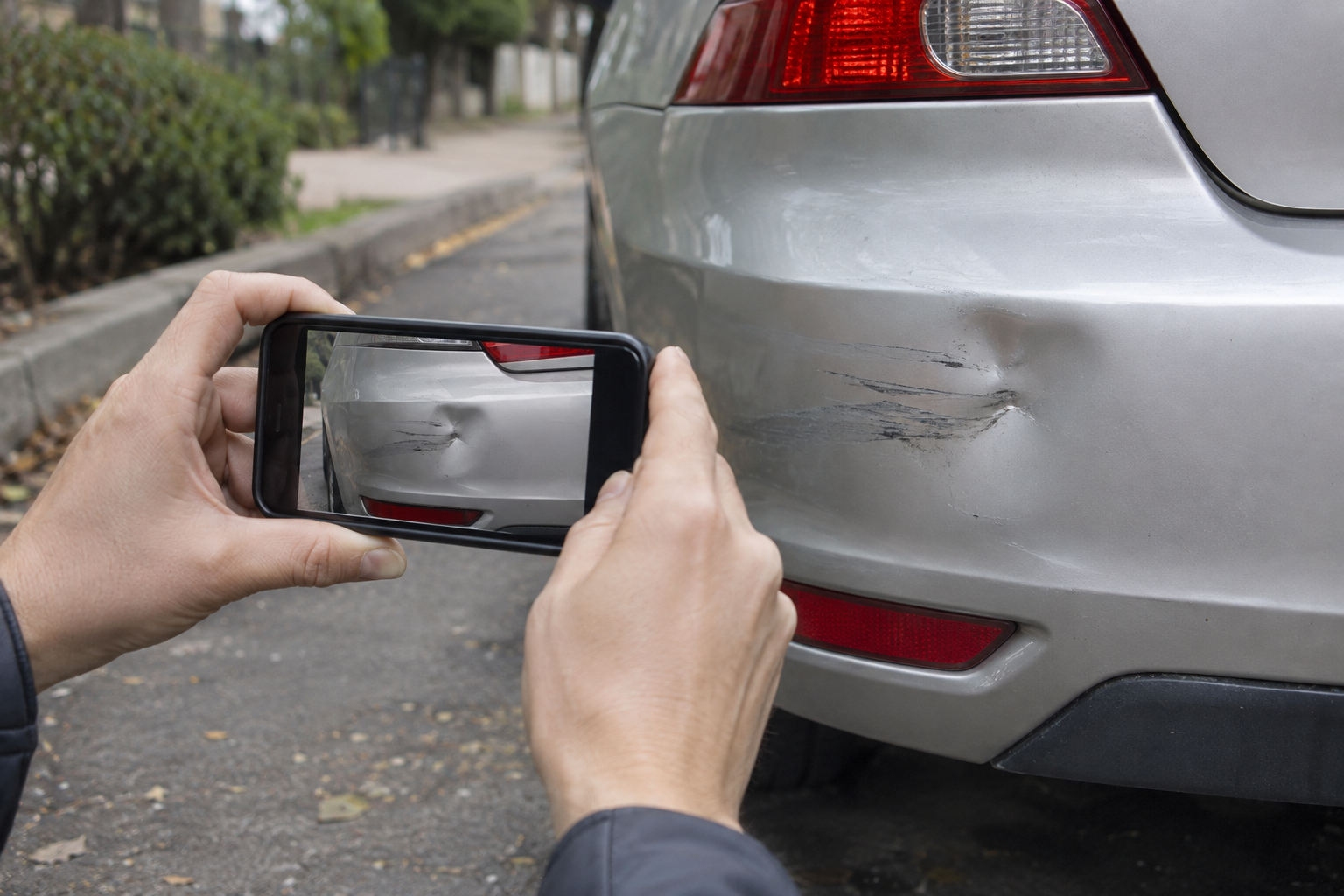
Preserve the driver and insurance information exchanged at the scene, original photographs, repair estimates, and any witness contact details. Make a factual note of whether you contacted police and what instructions you received. Never create a report number or describe an officer as having witnessed events you did not see the officer observe.
A practical checklist for reviewing the report
Read the entire report rather than relying only on a diagram or a single code. Compare it with your own records, and make a separate list of questions:
People and vehicles: Check names, plates, vehicle descriptions, and insurer details. A typing error can make later correspondence harder to match to the correct claim.
Location and timing: Check the road, cross street, date, travel direction, and approximate time. Distinguish an exact recollection from an estimate.
Narrative and diagram: Identify which statements are attributed to drivers or witnesses. Note discrepancies without rewriting the original document.
Supporting records: Match each concern to a photograph, witness contact, receipt, or other document when possible. Keep the original file unchanged and use a separate annotated copy for your notes.
If you believe the report contains an error, contact the issuing agency about its correction or supplemental-report procedure. Explain the specific entry and provide supporting material. A disagreement about how a crash happened may require further investigation; an agency is not obliged to adopt your version merely because you request a change.
Does the police report decide who is at fault?
Do not treat a report as a guaranteed outcome. DMV expressly notes that a crash appearing on a driving record does not establish fault and that DMV does not determine fault in the crash. For an individual claim, a qualified attorney can assess the report together with the other available evidence.
An organized file should therefore include more than the report: original photographs, communications with insurers, medical paperwork, and a timeline of events. Readers looking for borough-specific context can consult our Queens car accident information and Brooklyn car accident information.
Do not wait for the report to notify an insurer
A delayed report does not necessarily extend an insurance deadline. The New York Department of Financial Services no-fault FAQ says written notice generally must be provided as soon as reasonably practicable and no later than 30 days after the accident, subject to its stated exception for clear and reasonable written justification.
Confirm the correct insurer and applicable requirements for your circumstances. Keep proof of submission and copies of requests for additional information. For a separate explanation of this coverage, see our New York no-fault insurance article.
Common questions about New York accident reports
Can I request the report if I do not know the report number?
Start with the official service’s search instructions and gather the other identifying details you have. If you cannot locate the record, contact the responding agency. Do not enter invented details just to complete a search field.
Should I change the report PDF before sending it to an insurer?
Preserve the original. Send corrections or explanations separately and identify them clearly. This makes it easier to distinguish the agency’s record from your own comments.
Is an accident report the same as filing a lawsuit?
No. A police or DMV report and an insurance notification serve different purposes from a court filing. Do not use a reporting deadline as your deadline for evaluating potential legal action.
What should I bring to a consultation about the report?
Bring the complete report, your list of disputed entries, photographs, insurance letters, and a short timeline. Mark missing items so the person reviewing the file can identify the gaps. Our car accident FAQs cover additional questions to consider.